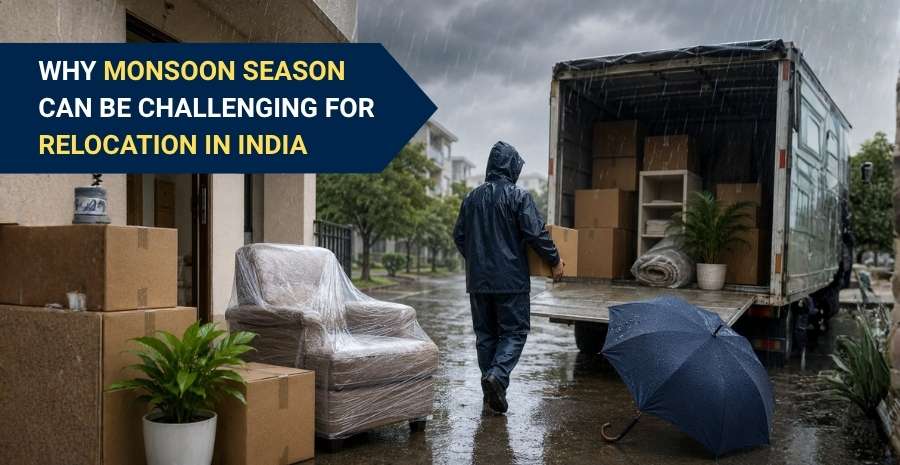
The monsoon season in India is a welcome relief from the blazing summer heat, but it brings its own challenges for anyone looking to move. However, many people are forced to move during the rainy months due to job transfers, lease expirations, or other unavoidable circumstances.
Shifting house in the monsoon is not impossible, but it requires careful planning and knowledge of the possible problems that you might face. Shifting home during the monsoon or rainy season presents many varied challenges, such as water damage and transportation delays.
Knowing these challenges will help you make adequate preparations and informed decisions about whether to go ahead with your planned move or wait for better weather. This comprehensive guide looks at why monsoon relocations are particularly tricky, and what you can do to protect your belongings and make your move a success.
Water Damage to Your Belongings
The most common and serious problem of house shifting in the monsoon is the constant possibility of your belongings getting damaged by water. Rain can cause a lot of damage to anything that is not properly protected while you’re moving.
How Rain Affects Furniture and Electronics
Wooden furniture is especially susceptible during monsoon moves. Wood can swell, twist, warp, and grow mold or mildew from moisture. This can cause permanent changes to the wood’s appearance and strength.
Polished surfaces will dull, joints will weaken, and veneer will begin to separate from the substrate. Electronics are even more vulnerable because water and electrical components are a dangerous combination. Even brief exposure to rain can cause internal damage to televisions, computers, refrigerators, washing machines, and other appliances.
Moisture can result in corrosion of circuits, short circuits, and the permanent destruction of expensive equipment. The humidity that comes with monsoon season can also affect electronics that may look dry on the outside but have absorbed moisture inside.
Moisture Damage to Documents and Clothing
Important documents such as property papers, educational certificates, legal files, and photographs are irreplaceable items that can be destroyed by water within minutes. Wet documents cause ink to run, paper to degrade, and lamination to peel.
Clothing and fabric items also develop musty odors, stubborn stains, and mold growth when exposed to moisture. Even if the clothes seem dry afterward, mold spore damage can cause health issues and permanent discoloration that can’t be washed out.
Long-Term Effects of Water Exposure
Sometimes the damage from monsoon moves is not readily visible. Items that get a little damp in the move may seem fine at first, but problems will arise in the weeks to come. Mold can grow in closed furniture, metal parts can rust, and mattresses and upholstery can smell damp for days or weeks after you move in.
These delays make it difficult to identify and solve problems quickly, resulting in unnecessary losses that could have been avoided with better safeguards in place during the move.
Slippery Surfaces and Safety Hazards
The monsoon rains make the working conditions dangerous and increase the risk of accidents during house shifting.
Increased Risk of Accidents During Loading and Unloading
You need a sure footing and stable surfaces to move heavy boxes and furniture. Wet and slippery floors, driveways, and loading areas significantly increase the risk of workers losing their grip or footing.
Someone with a heavy object can easily fall down slippery stairs and seriously hurt themselves and damage your property. Trained movers know how to deal with tough conditions, but they are still at greater risk when it rains.
Wet Staircases and Ramps
Staircases are among the most dangerous places during any move, and rain increases the risks.
Wet stairs are very slippery, and carrying big items that block your view makes it even harder to navigate safely. In buildings without lifts, everything has to be carried up and down possibly treacherous stairs, which can be difficult in the monsoon season. Trolleys and dollies can run away with you. The ramps used to wheel heavy things are just as dangerous when wet.
Worker Safety Concerns
Physical dangers of slips and falls are not the only ones; working in heavy rain also presents health hazards to the moving crew.
Rain can cause illness, make it difficult to work with limited visibility, and make the job of moving furniture that much more difficult when clothing and equipment are wet. Good movers will keep the workers safe and may stop work in the event of a heavy downpour, which can lengthen the overall moving schedule.
Transportation Delays and Route Disruptions
House shifting during the monsoon or rainy season is fraught with serious transportation problems that can derail even the most detailed relocation plans.
Waterlogged Roads and Traffic Congestion
Heavy monsoons in Indian cities generally cause waterlogging, and major roads become impassable within hours of continuous rainfall. In areas that flood often, you can be delayed for hours while moving, and your belongings can be exposed to water damage for long periods.
And it rains. In the rain, traffic jams get really bad. Visibility is worse, there are more accidents, and everyone drives slower to avoid hydroplaning on the flooded roads. A three-hour drive between your old and new home can easily become six or eight hours during the monsoon.
Closed Routes Due to Flooding
Some roads and highways may be closed altogether due to heavy flooding, meaning moving trucks will have to take longer detours. In cities like Mumbai, Chennai, and Bangalore, which are severely flooded during the monsoon, entire localities can become inaccessible during the height of the rainfall.
If your new home is in such an area, you might arrive to find that the moving truck can’t reach your building at all, and you have to wait for the water levels to drop before you can finish the move.
Unpredictable Travel Times
The unpredictable nature of monsoon weather makes it virtually impossible to get accurate moving times. If you start a move on a fairly clear morning and heavy rain begins midway through the trip, it can turn into a nightmare.
This unpredictability is especially challenging for long-distance moves, where the moving truck might encounter varying weather conditions across different parts of the country.
Experienced packers and movers build in buffer time to monsoon moving schedules, but even they cannot always predict the severity of the weather.
Damage to the New Property
Monsoon house shifting is not just about protecting your belongings but also about the potential damage to your new house.
Wet Floors Causing Scratches and Stains
When rain is falling, and the movers take things in and out of your new house, they will walk water through the floors. This standing water can seep into wooden flooring, make tiles slippery and dangerous, and leave stains on marble or other porous materials. Some types of flooring will develop permanent water stains, even after cleaning, so you may have to deal with ugly marks in your new home before you even move in.
Water Tracking Throughout the House
Each time the movers make a trip, they bring in more water, forcing the moisture up and down hallways, rooms, and staircases. This creates a cascading problem where you need to secure not only your belongings but the property itself.
Carpets and rugs will become soaked, water marks may appear on walls where wet items are placed against them, and the overall dampness makes for an unpleasant living environment during your first days in the new home.
Difficulty in Cleaning Up After the Move
Normally, you would clean your new house before and after moving in, but rain makes this a lot more complicated. Wet floors cannot be cleaned properly, windows are streaky from rainwater, and the constant dampness means surfaces don’t dry properly after cleaning. This has you living in a home that feels unclean and uncomfortable, no matter how much you try to properly settle in.
Packing Material Challenges
Packing materials that are adequate enough in dry weather often fail spectacularly under monsoon conditions.
Cardboard Boxes Losing Strength When Wet
Most of the house shifting operations rely on regular cardboard boxes. But these boxes are very susceptible to moisture. Cardboard loses structural integrity in minutes once it gets wet. Boxes that were strong enough to hold heavy items become soft and weak, the bottoms can give way suddenly, and the whole box can collapse while being carried.
Not only does this damage your belongings, but it also creates dangerous situations for workers who suddenly find themselves struggling with a disintegrating box full of items.
Limited Effectiveness of Regular Packing Materials
Normal packing materials such as newspaper, bubble wrap, and packing paper offer some protection in normal moving conditions, but not in monsoon conditions.
Paper soaks through and leaves ink on your stuff, and regular bubble wrap offers little resistance to water, and ordinary packing paper offers little to no protection from heavy rain. It may look well-packed, but these packaging materials absorb moisture, leaving the item damp.
Need for Waterproof Protection
House shifting in the monsoon can be made effective by using special waterproof packing materials, which cost more and take more time to apply properly.
Plastic wrapping, waterproof covers, sealed containers, and moisture-absorbing packets are all essential additions to standard packing supplies. Many people have no idea of these needs and find out too late that their normal packing job is not good enough for monsoon conditions.
Vehicle and Equipment Issues
The vehicles and equipment used for relocation face their own set of challenges during the rainy season.
Vehicles Getting Stuck in Muddy Areas
Moving trucks are large, heavy vehicles that can easily get stuck in muddy patches, on unpaved roads, or in waterlogged parking areas. This is very common in residential areas with poor drainage or at construction sites where drainage systems are not yet complete.
If your moving truck gets stuck, your move will come to a halt until the vehicle can be freed, at an additional cost to you for the extra help and equipment needed.
Mechanical Problems Due to Water Exposure
More mechanical risks are associated with the monsoon season for moving trucks and their equipment. Water can destroy engines, electrical systems, and hydraulic lifts used for loading and unloading cargo. Wet brakes are less effective, which adds to the safety risk. Driving can be more difficult and dangerous due to reduced visibility.
These mechanical problems often result in moving companies limiting or refusing service during heavy rain periods.
Limited Availability of Moving Trucks
Many moving companies operate with fewer vehicles during the monsoon season because the risk of damage increases. Some companies restrict the number of moves they make during this time, while others keep their backup vehicles off the road to prevent unnecessary exposure to bad weather.
Limited availability can make it harder to find a moving company willing to take your job during the monsoon, or lead to higher prices due to increased demand for limited resources.
Difficulty in Planning and Scheduling
Monsoon weather is very unpredictable and creates huge planning challenges for anyone who is trying to shift home during the monsoon or rainy season.
Unpredictable Weather Patterns
Despite improvements in weather predictions in recent years, the monsoon patterns are still very difficult to predict with total accuracy. A day forecast to be fairly dry may see unexpected heavy rain, and predicted downpours may not materialize.
This unpredictability makes it almost impossible to guarantee the perfect moving day. You can wait for the rain, see the sun, or you can go out and be caught in a thunderstorm.
Last-Minute Cancellations and Rescheduling
Weather-related cancellations happen frequently during the monsoon season, and they cause cascading problems for your relocation timeline. If your movers cancel at the last minute because of bad weather, you’ll have to reschedule quickly, and it might take several days to get it sorted out, depending on their availability.
Meanwhile, you may have already moved out of your old home, taken time off work, or coordinated with the building management for specific moving hours. These cancellations upset well-laid plans and cause stress and inconvenience.
Extended Moving Timelines
What would normally be a one-day move in dry weather can stretch to several days during the monsoon season.
Weather delays mean you have to stop and start the moving process, raising the chances of items getting lost, making it hard to track what’s been moved and what’s left, and generally adding to the chaos and stress of the whole experience.
This longer time period also means higher costs if you are paying daily rates for labor and vehicles.
How Experienced Packers and Movers Handle Monsoon Relocations
The monsoon season may have many challenges, but the experienced packers and movers are equipped with strategies and techniques to reduce the risks and make the relocations successful even in the rainy weather.
Waterproof Packing Techniques
The monsoon moves need specialized professional moving companies that use advanced waterproof packing techniques far more sophisticated than standard methods. They cover furniture with layer after layer of plastic sheeting, use waterproof blankets and covers, seal boxes with waterproof tape, and, whenever possible, store items in plastic containers rather than cardboard boxes.
Electronics are given special treatment with moisture-absorbing packets placed in protective wrapping. Special waterproof mattress bags cover mattresses and upholstered furniture.
This all-round protection means you are much less likely to suffer water damage, even in heavy rain.
Weather Monitoring and Contingency Planning
In the days before your move, the professional packers and movers are on high alert to weather forecasts and have contingency plans in place for different weather eventualities. They communicate proactively with clients regarding potential weather issues and have backup dates in place should severe weather necessitate a postponement.
As the move continues, they keep an eye on the weather as it happens and modify their method of work accordingly, perhaps taking advantage of a lull in the rain to work quickly or stopping in heavy downpours to protect your stuff and the safety of the workers.
Specialized Equipment and Trained Staff
Professional moving companies have equipment that is built to handle the elements. This includes waterproof tarps large enough to cover entire truck loads, covered loading docks or portable shelters that provide protection during loading and unloading, non-slip mats and covers for walkways and stairs, and vehicles with enhanced weather protection.
Staff are specially trained to handle monsoon relocations safely and efficiently. Workers know how to keep their footing on wet surfaces, when conditions are too dangerous to continue working, and the right techniques to protect items in wet weather.
Insurance Coverage for Weather-Related Damages
Reputable moving companies provide comprehensive insurance options that cover weather-related damages during monsoon relocations. If you take all the necessary precautions and your belongings are damaged, this insurance offers financial protection. They explain clearly what is included, document the condition of items before the move, and have simple claims processes should any problems arise.
This insurance gives you peace of mind that if something does go wrong, you won’t be completely out of pocket for the replacement of damaged items.
Conclusion
House shifting is challenging. And in monsoon, it brings even more challenges, including immediate water damage and safety risks, as well as long-term property damage and schedule delays. Monsoon in India is one of the most difficult times to move due to the combination of unpredictable weather, increased accident risks, transportation challenges, and the vulnerability of packing materials. But being aware of these challenges can help you make informed decisions about your move.
If you can, delay your relocation until after the monsoon season. The weather conditions will be more conducive to moving then, and the risks will be significantly lower. A few months’ delay can save you from potential losses, stress, and complications that make monsoon moves so difficult. However, if you need to relocate in the rainy season due to some unavoidable conditions, hiring expert packers and movers with proven expertise in monsoon relocations becomes a necessity and not an option. Before booking a moving company, use the Moving Solutions Packers and Movers Cost Calculator to estimate your relocation expenses. Knowing the approximate moving cost in advance helps you plan your budget, compare quotations from verified movers, and avoid unexpected expenses during your monsoon move.
Look for a moving company that knows the monsoon challenges, uses the right waterproof packing materials, has proper insurance coverage, and has a track record of moving during the rainy season. Plan for possible delays, build flexibility into your schedule, and keep realistic expectations about the moving process.
With the right planning, professional help, and adequate precautions, you can successfully overcome the challenges of shifting home during the monsoon or rainy season and reach your new home with your belongings safe and your stress levels under control.

A copywriter, blogger, content strategist by profession, and an information junkie by heart. I have a penchant for reading, researching, writing, and anything related to creating persuasive content. For me, writing is something that ignites my creativity and helps in keeping me on cloud nine. I have been working in the content writing domain since 2006. Be it blogging or copywriting, I create better content that fuels conversations and skyrockets search traffic.